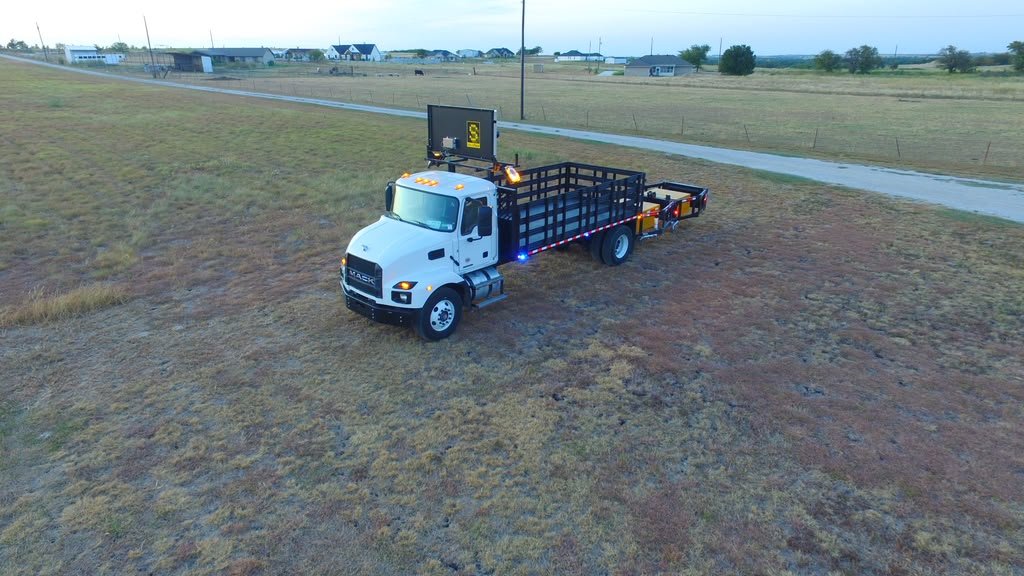
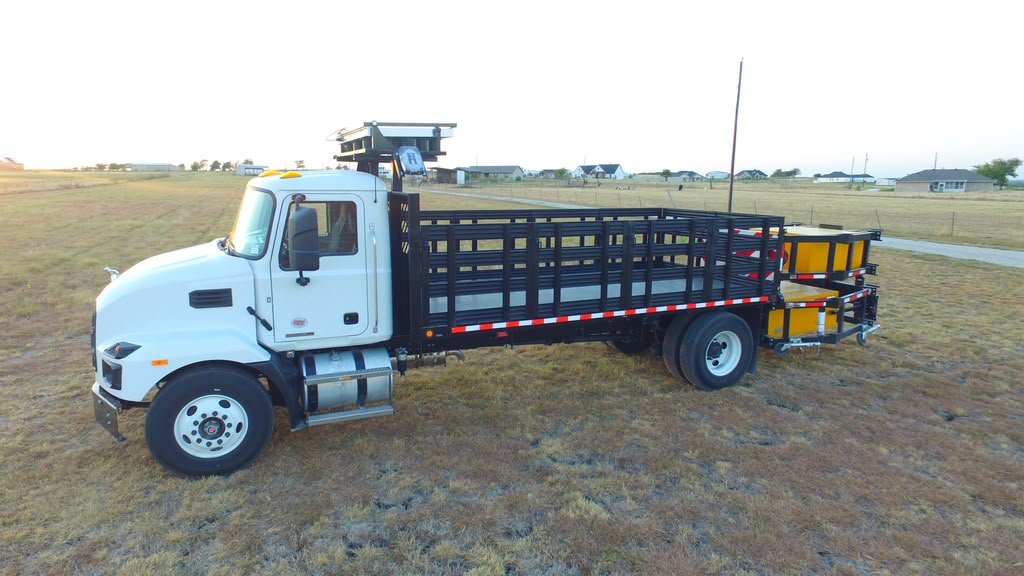
Keeping a TMA Ready: A Maintenance Baseline
A crash truck only protects your crew if it deploys correctly and stays MASH-compliant. Here is a practical baseline for keeping units ready and legal.
An attenuator that hangs up on deployment or has a compromised structure is a false sense of security. Maintenance on a TMA is not about looks. It is about making sure the unit does its one job when a vehicle comes in at speed. Build a routine and stick to it.
Regular checks
- Cycle the deployment mechanism and confirm it moves from travel to protect in about 20 seconds without binding.
- Inspect the energy-absorption structure for cracks, corrosion, or prior impact damage.
- Verify arrow board lamps, controls, and wiring; a dark board is a safety gap.
- Check mounting hardware and hydraulic or actuator components for wear and leaks.
- Confirm the truck still meets the roughly 26,000 lb GVWR target after any equipment changes.
After an impact
A unit that has taken a hit is not a judgment call. It needs inspection and, in most cases, repair and MASH re-certification before it goes back to work. Skipping that step means the next impact meets a weakened structure. Document the event and get the unit evaluated by a service provider who can re-certify it.
Keep the FHWA Eligibility Letter and repair records with the truck. If an agency or inspector asks, you want proof the unit is compliant and properly maintained.
Keep exploring
Need a truck spec'd or serviced?
Tell us the job and we'll help — to buy, rent, or lease.